
The Lehigh Energy Research Center's state-of-the-art facilities hold cutting edge equipment to help support researchers and industry partners in developing groundbreaking solutions to the most pressing energy and environmental challenges.
Visit the list of equipment below and please contact us for more information.
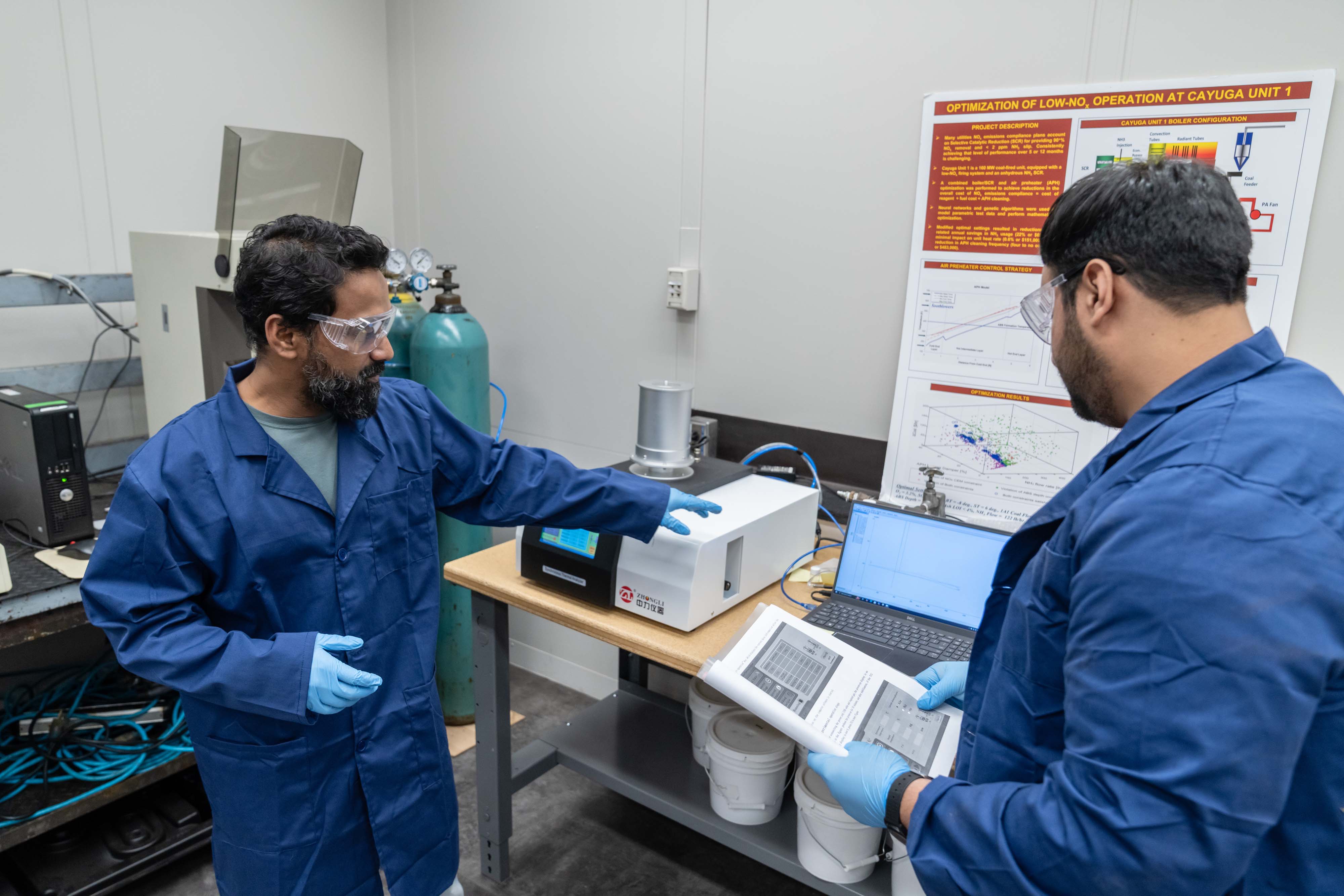
A DSC measures the amount of heat absorbed or released by a material as it is heated, cooled, or held at a constant temperature. It is used to study thermal transitions such as melting, crystallization, glass transition, and phase changes, helping to determine material properties like heat capacity and thermal stability.
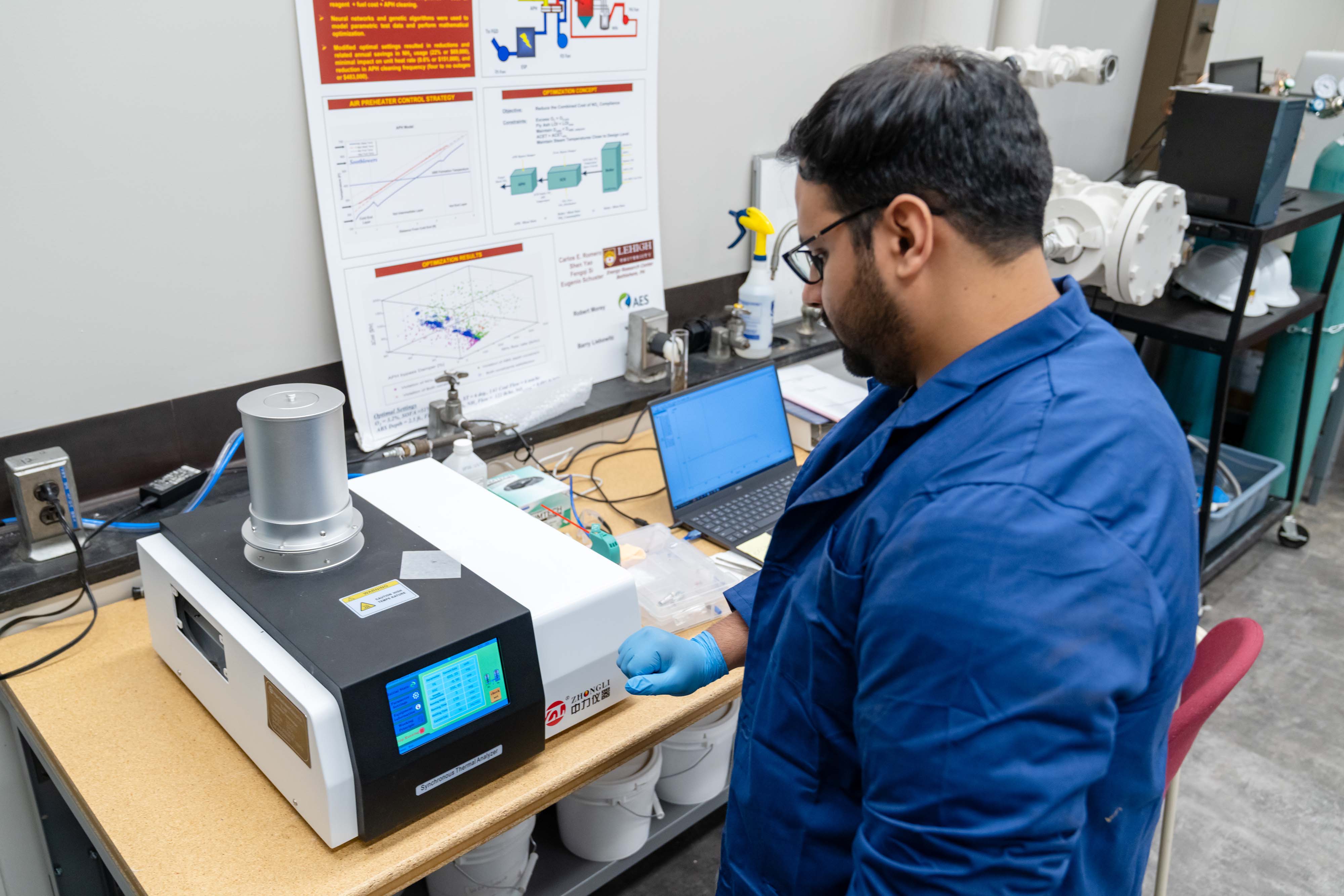
TGA measures the change in mass of a sample as a function of temperature or time under a controlled atmosphere. It is widely used to analyze thermal stability, decomposition behavior, moisture content, oxidation, and composition of materials. Combined thermogravimetric and differential scanning calorimeter (TGA/DSC) provides comprehensive insights into material mass changes and heat flow behavior. It allows evaluation of thermal stability and phase transitions up to 1200°C under controlled nitrogen or air atmospheres.
DTA compares the temperature difference between a sample and an inert reference while both are subjected to the same thermal cycle. It detects endothermic and exothermic reactions such as phase transitions, melting, or chemical reactions.
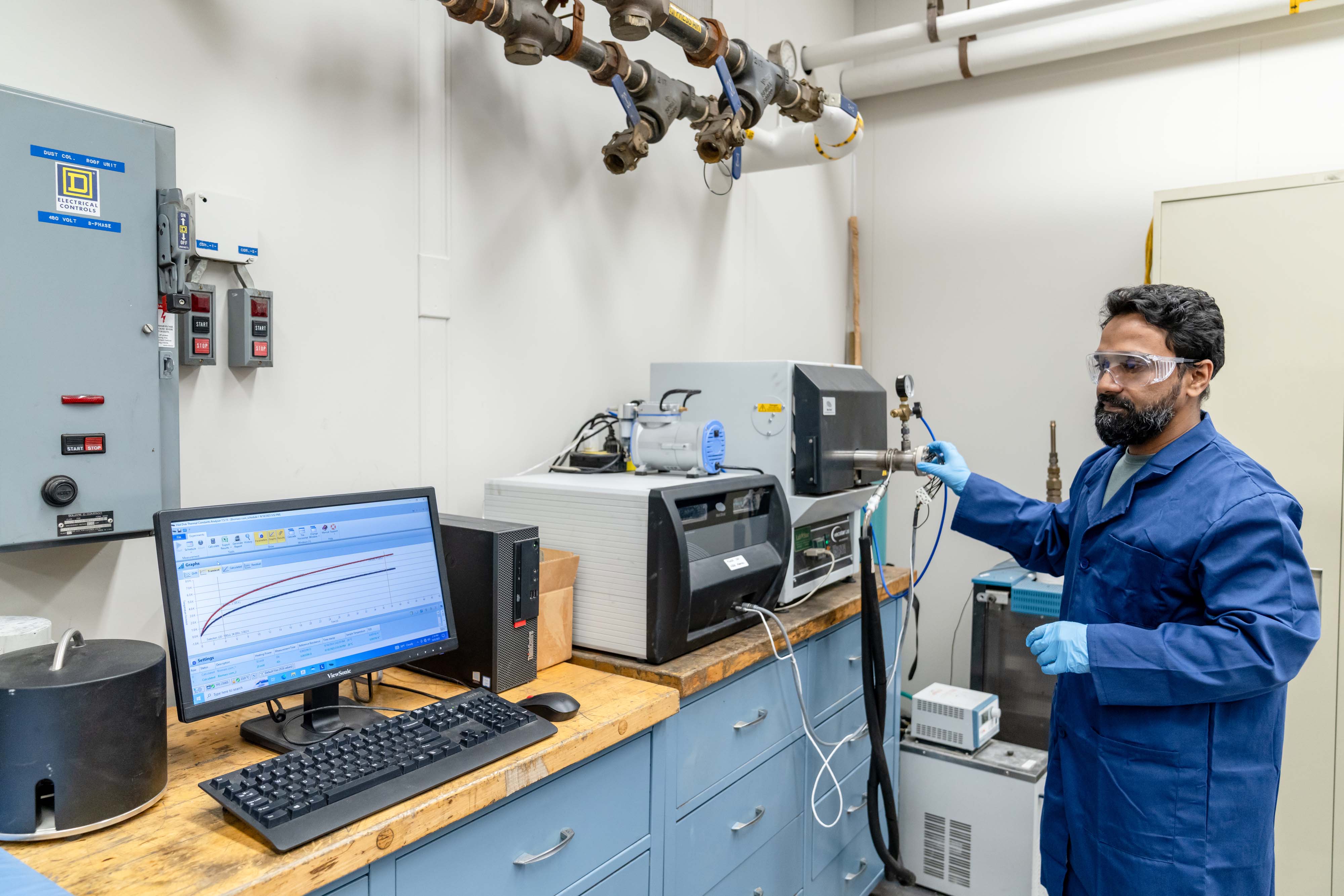
This instrument determines a material’s thermal conductivity and specific heat capacity. These properties are critical for understanding heat transfer behavior, insulation performance, and thermal management in materials. At ERC, Hot Disk TPS 2500 S system provides detailed insights into thermal properties of materials. It has a thermal conductivity range from 0.005 to 1,800 W/m·K and accommodates temperatures up to 1000 ⁰C.
A pulsed laser system generates short, high-energy laser pulses used for material ablation, excitation, surface modification, or spectroscopic analysis. It is commonly applied in laser-induced breakdown spectroscopy (LIBS), micromachining, and optical studies.
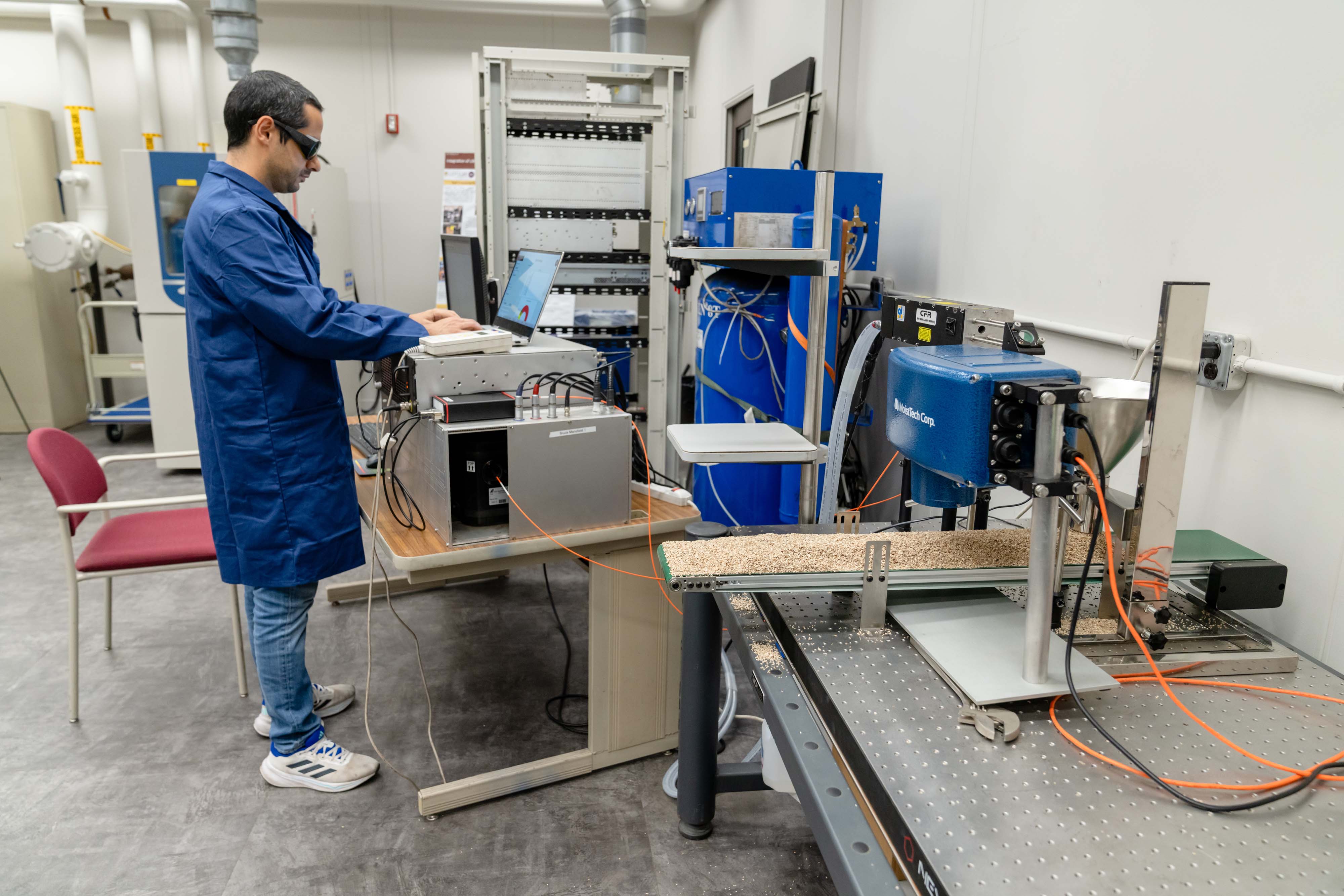
An optical spectrometer measures the intensity of light as a function of wavelength. It is used to analyze emission, absorption, or reflection spectra to identify elemental composition, molecular structure, or optical properties of materials.
A CCD detector is a highly sensitive light-detecting device that converts incoming photons into electrical signals. It is widely used in spectroscopy and imaging applications due to its high resolution, low noise, and excellent sensitivity.
This system uses diffraction gratings to separate light into its component wavelengths with high precision. It enables accurate spectral resolution and is essential for detailed spectroscopic analysis.
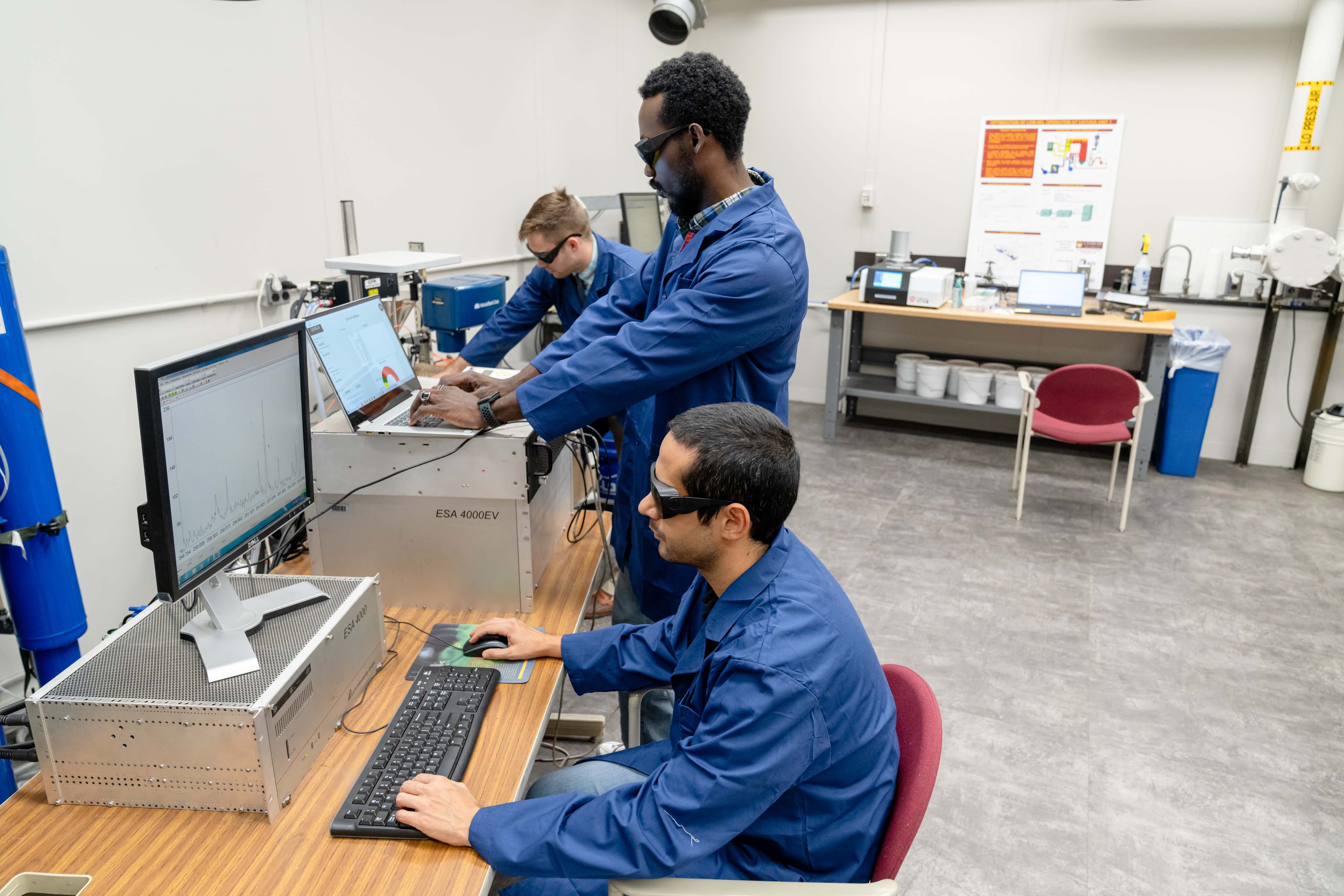
This software controls the laser-induced breakdown spectroscopy (LIBS) system and processes spectral data. It enables elemental identification, quantitative analysis, calibration, spectral correction, and visualization of results. At ERC, a machine-learning–enhanced LIBS platform is used to fully characterize material blends on a moving conveyor belt, where machine-learning algorithms improve measurement accuracy and precision in real time.
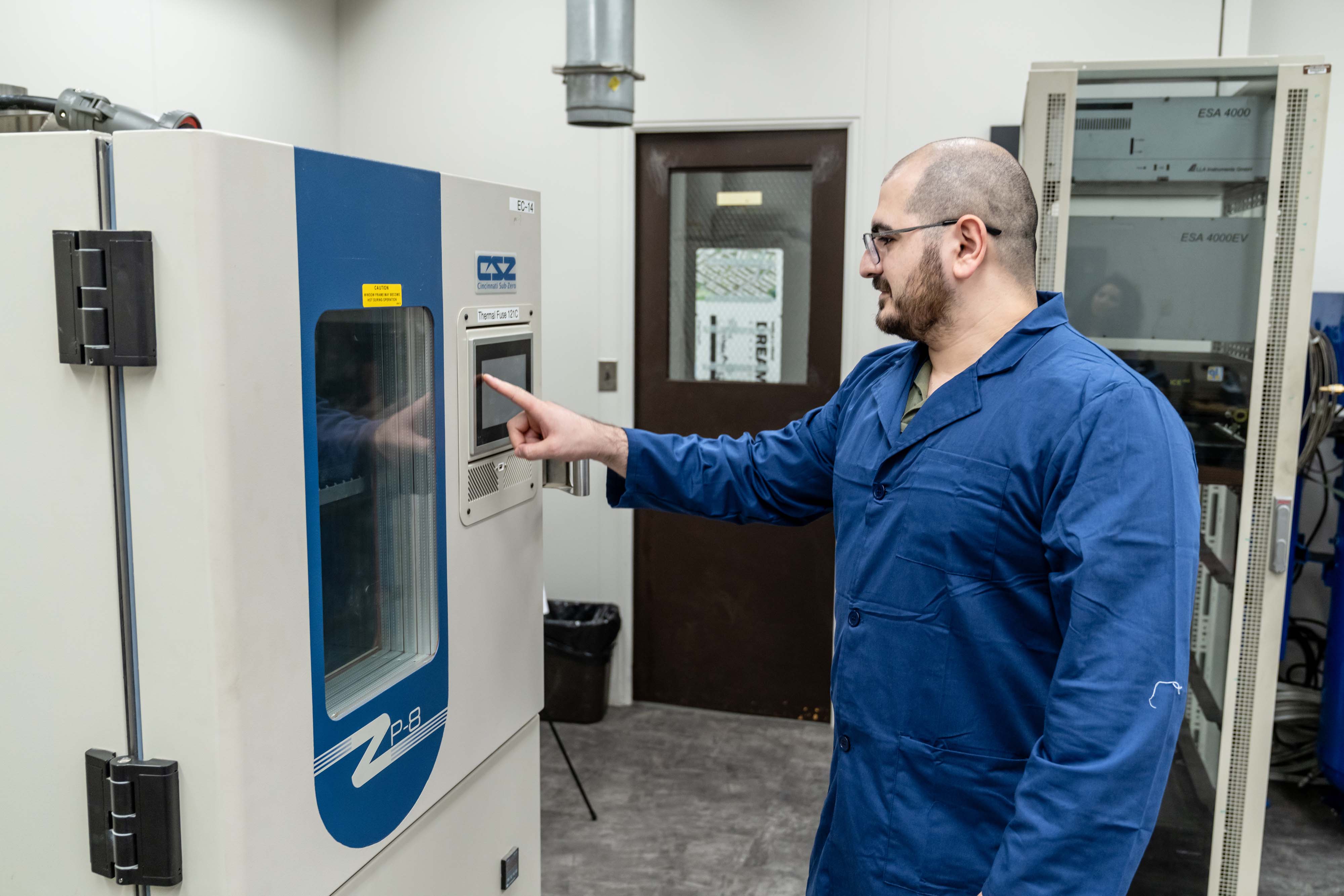
This chamber allows experiments to be conducted under controlled environmental conditions such as vacuum, inert gas, or reactive gas atmospheres. It ensures reproducibility and prevents unwanted oxidation, contamination, or moisture effects. At ERC, the 8 cu. ft temperature and humidity chamber (Cincinnati Sub-Zero) provides controlled simulation of diverse environmental conditions to evaluate the sustainability and performance of energy-saving materials under real-world scenarios.
Raman spectroscopy is a non-destructive technique that analyzes molecular vibrations through inelastic scattering of laser light. It is used for chemical identification, phase analysis, crystallinity studies, and molecular structure characterization.
A bomb calorimeter measures the heat of combustion of a substance under constant volume conditions. It is primarily used to determine calorific value, energy content, and thermodynamic properties of fuels and materials.
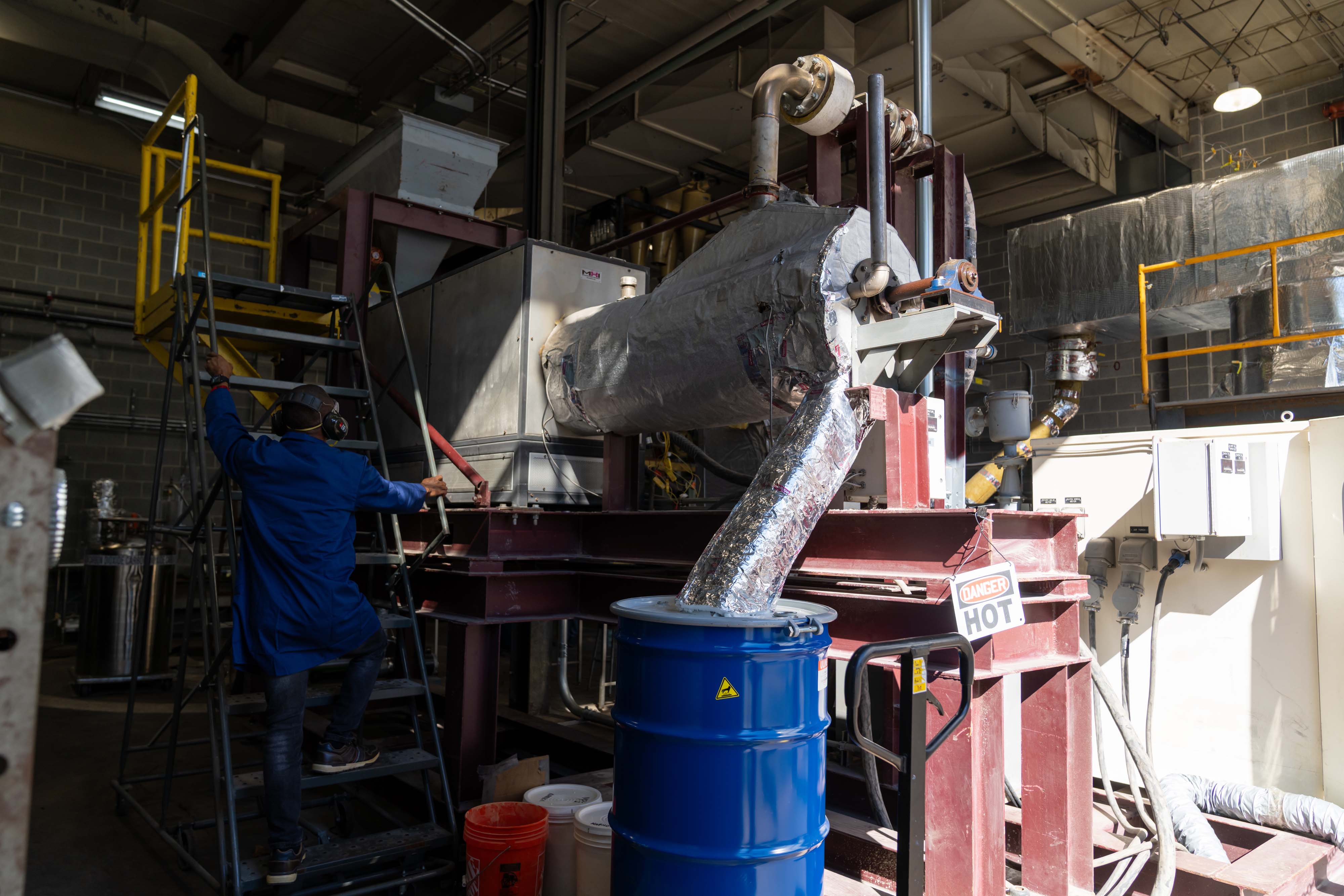
A calciner is a high-temperature processing unit used to heat materials to induce thermal decomposition, phase transformation, or removal of volatile components. At ERC, a pilot-scale calciner unit is installed, designed as a large-scale thermal system for material calcination and vapor recovery. It features a main electrical panel (CIR 9), a vapor recovery system motor control panel (VRSMCP), and a furnace control panel with variable frequency drives (VFDs) for precise motor and temperature control. Equipped with blower, heated screw, and rotary valve motors, it operates up to 600°C (1112°F) for controlled calcination, drying, and vapor recovery. The furnace process controller and VFD interface regulate temperature and speed, ensuring safe, efficient pilot-scale operation.
An ultrasonic cleaner uses high-frequency sound waves in a liquid medium to remove contaminants from surfaces. It is effective for cleaning delicate laboratory glassware, components, and precision parts without causing damage.
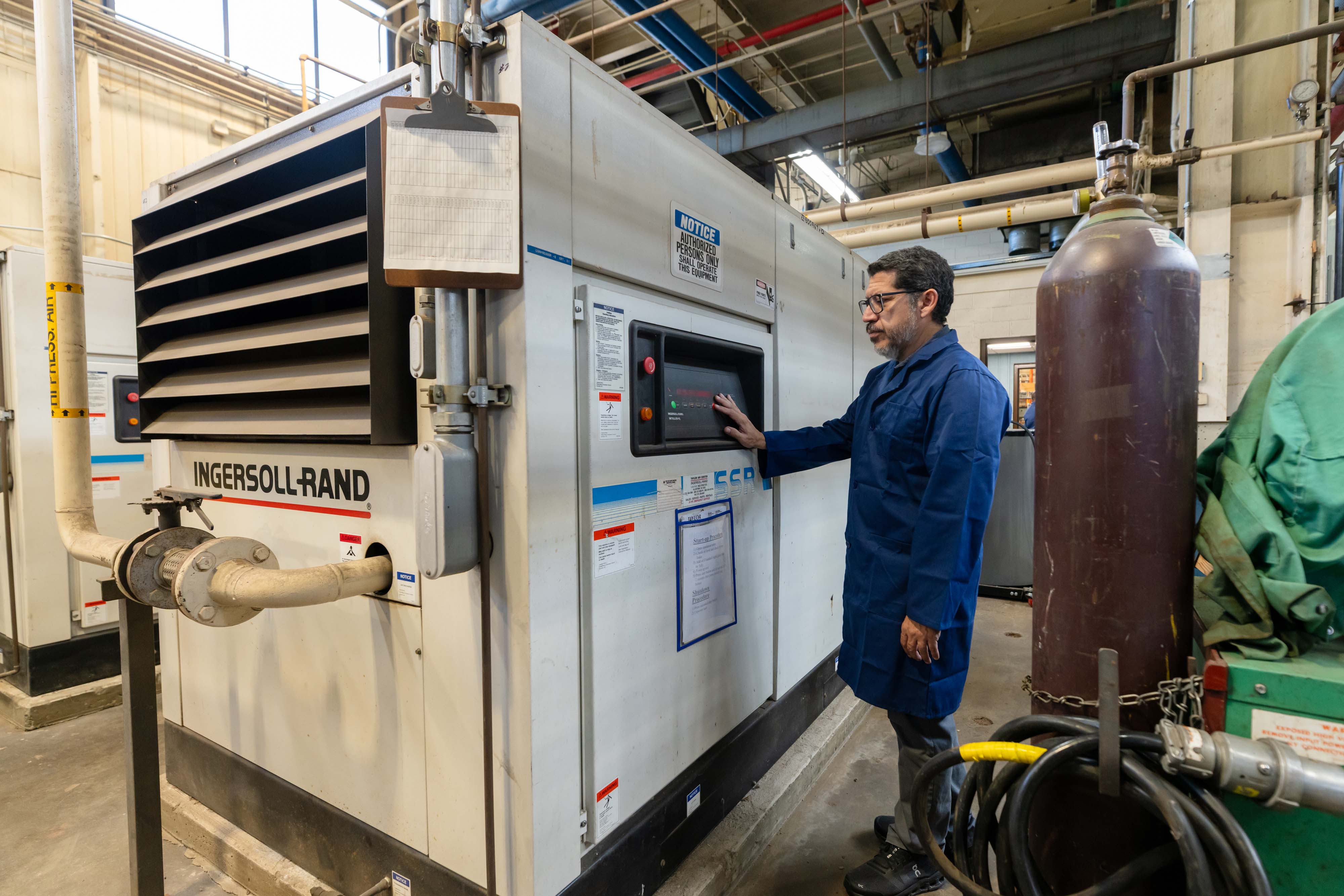
These high-capacity air compressors supply compressed air at up to 150 psi with a combined flow rate of 1500 SCFM. They are used to power pneumatic equipment, control systems, and industrial laboratory operations.
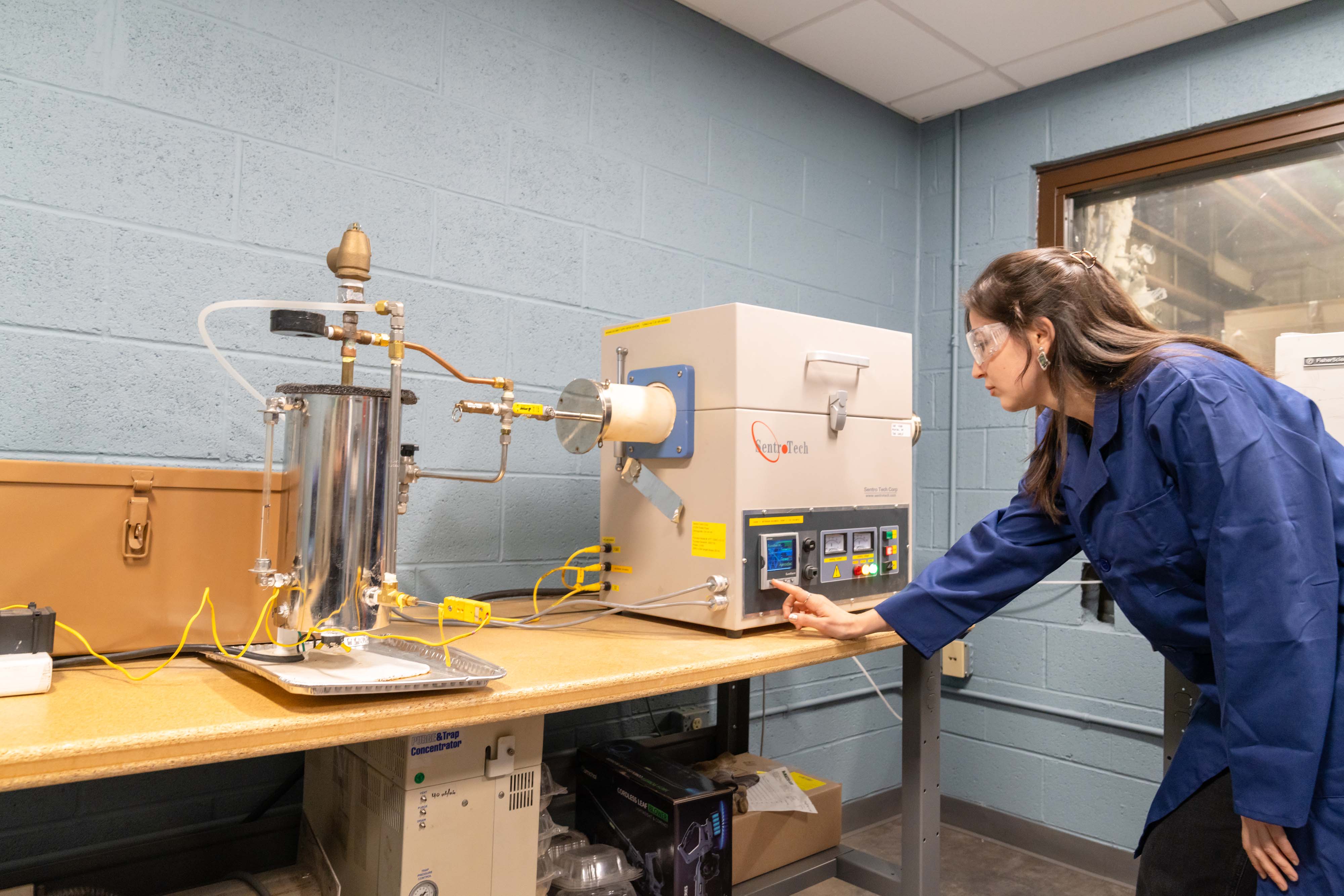
Laboratory furnaces capable of reaching temperatures up to 750 °C are used for heat treatment, annealing, sintering, drying, and thermal testing of materials under controlled conditions. Laboratory furnaces at ERC are used for controlled heat treatment, sintering, calcination, and thermal testing of materials. The Sentro Tech horizontal tube furnace enables precise thermal processing up to 1200 °C under controlled N₂ or CO₂ atmospheres and supports steam activation using a humidified reactor, with accurate temperature and gas flow control. In addition, the Fisher Scientific Isotemp 550-58 muffle furnace provides uniform heating in ambient air up to 1100 °C, offering stable and reliable temperature control for laboratory-scale thermal processing.
Gas chromatography is an analytical technique used to separate, identify, and quantify volatile and semi-volatile compounds. It is widely used in chemical analysis, environmental testing, and quality control.
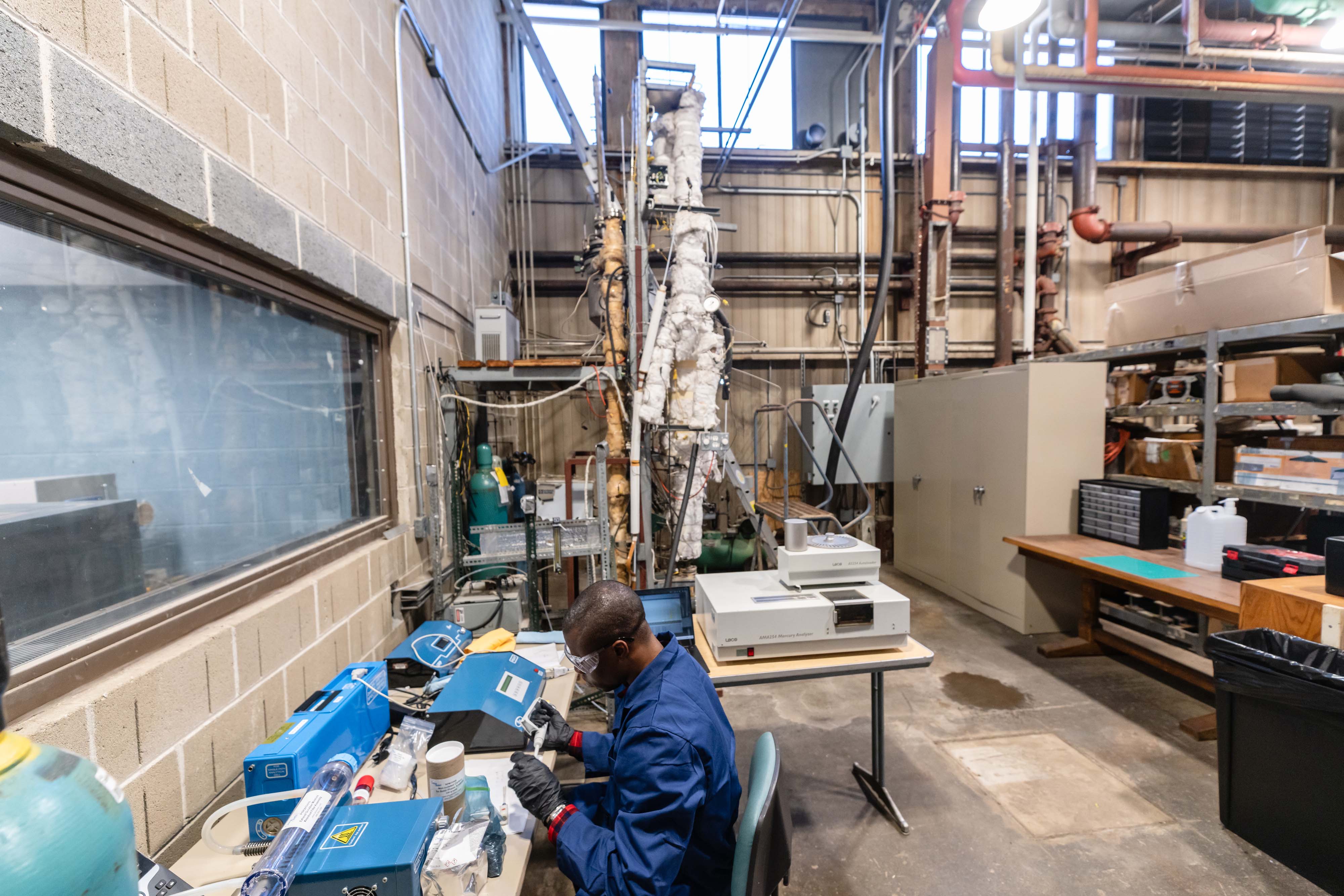
A mercury analyzer is designed for the detection and quantification of mercury in solid, liquid, or gaseous samples. It provides high sensitivity and accuracy, commonly used in environmental monitoring, material analysis, and regulatory compliance. At ERC, a dedicated laboratory setup is established for mercury emission investigations, enabling research on sorbents and advanced technologies for mercury reduction. The setup is equipped with Ohio Lumex instrumentation, allowing precise mercury analysis across solid, liquid, and gaseous phases under controlled laboratory conditions.